NachrichtenBearbeiten
https://odysee.com/@ovalmedia:d/mwgfd-impf-symposium:9
https://totalityofevidence.com/dr-david-martin/
| | Kaum beachtet von der Weltöffentlichkeit, bahnt sich der erste internationale Strafprozess gegen die Verantwortlichen und Strippenzieher der Corona‑P(l)andemie an. Denn beim Internationalem Strafgerichtshof (IStGH) in Den Haag wurde im Namen des britischen Volkes eine Klage wegen „Verbrechen gegen die Menschlichkeit“ gegen hochrangige und namhafte Eliten eingebracht. Corona-Impfung: Anklage vor Internationalem Strafgerichtshof wegen Verbrechen gegen die Menschlichkeit! – UPDATE |
Libera Nos A Malo (Deliver us from evil)
Transition NewsBearbeiten
Feed Titel: Homepage - Transition News Die Rückkehr des totalitären Denkens – oder warum die DDR gewonnen hat
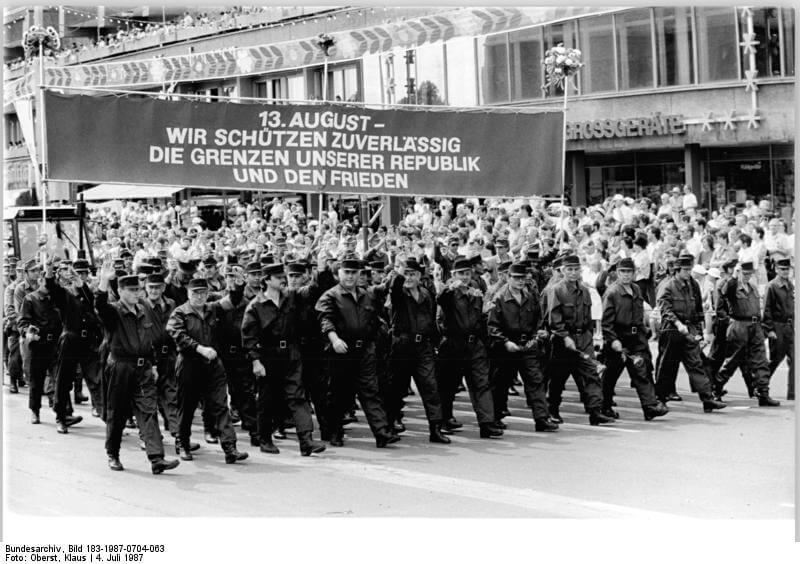 "Wir haben ein Korn in die Erde gelegt, der Samen wird noch aufgehen", sagte Margot Honecker nach dem Ende der linken DDR-Diktatur trotzig. So erschreckend es ist: Sie hatte Recht. Der Geist der DDR ist in Berlin wieder urlebendig. Aufsicht kritisiert Bund: Medikamentenrabatte erreichen Patienten kaum
 Ärztinnen, Apotheker und Spital-Leitungen geben nur einen Teil ihrer Rabatte weiter. Der Bund soll mehr eingreifen. Europa steht vor einer doppelten Diesel- und Erdgaskrise
«Schlaflose Nächte» würde ihr der weltweite Engpass bei der Dieselversorgung bereiten, erklärte Samantha Dart, Co-Leiterin der globalen (…)
Ruch zerlegt die Neutralitätsargumente des Bundesrates
Jean-Daniel Ruch nimmt zentrale Aussagen der bundesrätlichen Medienkonferenz zur Neutralitätsinitiative auseinander. Seine Kritik: Der Bundesrat (…)
Hacker behaupten: NATO ist direkt an Angriffen auf russisches Territorium beteiligt
Russische Hacker haben laut Tass dokumentarische Beweise für die direkte Beteiligung der NATO an Angriffen auf russisches Territorium erhalten. (…)
| Peter MayerBearbeiten
Feed Titel: tkp.at – Der Blog für Science & Politik Kernstücke der neuen WHO Verträge bringen Verlust der nationalen Souveränität der Mitgliedsstaaten
 Bekanntlich sollen bis Ende Mai Änderungen der Internationalen Gesundheitsvorschriften (IGV) beschlossen werden, die der WHO eine massive Ausweitung ihrer völkerrechtlich verbindlichen Vollmachten bringen sollen. […] Hardware-Schwachstelle in Apples M-Chips ermöglicht Verschlüsselung zu knacken
 Apple-Computer unterscheiden sich seit langem von Windows-PCs dadurch, dass sie schwieriger zu hacken sind. Das ist ein Grund, warum einige sicherheitsbewusste Computer- und Smartphone-Nutzer […] 25 Jahre weniger Lebenserwartung für "vollständig" Geimpfte
 Eine beunruhigende Studie hat ergeben, dass Menschen, die mit mRNA-Injektionen „vollständig“ gegen Covid geimpft wurden, mit einem Verlust von bis zu 25 Jahren ihrer […] Ostermärsche und Warnungen vor dem Frieden
 Ostern ist auch die Zeit der pazifistischen und antimilitaristischen Ostermärsche. Grund genug, um davor zu warnen. Tod nach Covid-Spritze: Ärzte im Visier der Justiz
 In Italien stehen fünf Ärzte nach dem Tod einer jungen Frau aufgrund der „Impfung“ vor einer Anklage. |
NZZBearbeiten
Feed Titel: Wissenschaft - News und Hintergründe zu Wissen & Forschung | NZZ
Elon Musk baut die grösste Rakete der Geschichte. Sein Starship soll die Menschheit zum Mond und zum Mars bringen
PODCAST «NZZ QUANTENSPRUNG» - Das Starship: Was kann das Raumschiff von Elon Musk?
Elon Musk plant den grössten Börsengang der Geschichte: Am 12. Juni soll der Handel mit SpaceX-Aktien beginnen
PODCAST «NZZ QUANTENSPRUNG» - Mini-AKW: Kleine modulare Reaktoren und neue Technologien bereiten ein Comeback der Kernenergie vor
Comeback der Kernenergie: Leiten kleine modulare Reaktoren die Wende in Europa ein?
VerfassungsblogBearbeiten
Feed Titel: Verfassungsblog
Eine Kaskade von Kürzungen
Wenn eine Regierung ihren Haushalt konsolidieren will, klingt das zunächst technisch und geschlechtsneutral: Beitragssätze, Bezugsdauer, Berechnungsgrundlagen. Doch wer genauer hinschaut, erkennt ein Muster. Die aktuell diskutierten Reformpläne setzen fast durchgängig an genau den Stellen an, an denen unbezahlte Sorgearbeit – Kindererziehung und Pflege von Angehörigen – auf das Sozialsystem trifft. Die Bundesregierung will den Unterhaltsvorschuss- und Elterngeldbezug verkürzen, den Sofortzuschlag beim Kinderzuschlag streichen, die Rentenpunkte für Pflegende und das Wohngeld als wichtige Familienleistung kürzen.
Sorgearbeit wird in Deutschland nach wie vor überwiegend von Frauen geleistet (84,4 Prozent der Alleinerziehenden sind Frauen). Ein Bündel von Einzelmaßnahmen trifft damit in der Summe überproportional eine Gruppe: Frauen, die nicht selten alleinerziehend sind, und ihre Kinder. Alleinerziehende haben nur ein Einkommen und sind daher besonders auf ergänzende Leistungen angewiesen, um vor Armut geschützt zu sein. Die geplante Reform des Unterhaltsvorschusses zeigt exemplarisch, wie aus einer scheinbar technischen Konsolidierungsmaßnahme eine strukturelle Verschärfung für Alleinerziehende wird.
Der Unterhaltsvorschuss: Rückabwicklung einer Erfolgsgeschichte
Die Bundesfamilienministerin kündigte vor Kurzem eine Reform des Unterhaltsvorschussgesetzes an. Kern des Vorhabens ist es, die Altersgrenze der Berechtigten von der Volljährigkeit auf das vollendete 15. Lebensjahr abzusenken. Hiervon wären laut Entwurf etwa 80.000 Jugendliche (16 oder 17 Jahre alt) betroffen. Als Argument wird die angespannte Haushaltslage in Kommunen und Ländern angeführt. Der Vorschlag geht deutlich über die Empfehlung der Kommission zur Sozialstaatsreform hinaus, die lediglich forderte, den Parallelbezug von Unterhaltsvorschuss und Bürgergeld zu beseitigen. Überraschend ist zudem: Auf den Unterhaltsvorschuss soll weiterhin das volle Kindergeld angerechnet werden. Die Reform wendet sich damit von der Vereinbarung im Koalitionsvertrag ab, wonach das Kindergeld künftig nur noch hälftig angerechnet werden sollte, um einen Gleichlauf mit dem familienrechtlichen Kindesunterhalt herzustellen.
Ob die Reform ihr Ziel erreicht und Kommunen durch die Kürzung tatsächlich entlastet werden, ist allerdings unklar. Denn die Kostenverteilung zwischen Bund (40 Prozent), Ländern und Kommunen (60 Prozent) schwankt je nach Bundesland stark hinsichtlich des kommunalen Anteils. Die Jugend- und Familienministerkonferenz forderte im Mai 2026 von der Bundesregierung eine belastbare Kostenprognose ein, bevor die Reform verabschiedet wird.
Der Deutsche Landkreistag unterstützt den Vorschlag gleichwohl mit dem Argument, dass Familien ergänzend Grundsicherungsgeld nach dem SGB II, Kinderzuschlag oder Wohngeld beantragen könnten – also Leistungen, die gerade ebenfalls gekürzt werden sollen. Zudem tragen auch im SGB II grundsätzlich die Kommunen die Kosten für Unterkunft und Heizung (siehe unten).
Für Alleinerziehende, die bereits im Grundsicherungsgeldbezug stehen, ändert sich durch den Ausschluss der 16- und 17-Jährigen nichts, denn der Bezug von Leistungen nach SGB II ist gegenüber dem Unterhaltsvorschuss nachrangig.
Wenn der Unterhaltsvorschuss wegfällt, trifft dies jedoch Alleinerziehende (Frauen) hart, deren Einkommen knapp über der Bedürftigkeitsschwelle für Grundsicherungsleistungen nach dem SGB II liegt. Sie sind gezwungen, den Ausfall zu kompensieren, und somit akut armutsgefährdet. Ruft man sich die Gesetzesbegründung für die Ausweitung des Unterhaltsvorschusses auf Kinder über 12 Jahre von 2017 in Erinnerung, ging es gerade darum, die besonderen Belastungen von Alleinerziehenden und deren Armutsgefährdung ernst zu nehmen – auch bei Jugendlichen bis zur Volljährigkeit, da deren Bedarf mit zunehmendem Alter ansteigt. Die Verdopplung der Fallzahlen seit 2017 lässt sich vor diesem Hintergrund daher als Erfolgsgeschichte lesen und nicht als Kostenproblem: Über die Unterhaltsvorschussleistung werden Bedarfe armutsgefährdeter Jugendlicher gedeckt.
Leben im Haushalt noch jüngere, betreuungsbedürftige Kinder, können Alleinerziehende ihre Erwerbstätigkeit oft nur begrenzt und auch nur bei verlässlichen Betreuungsangeboten ausweiten. Von einem ausreichenden Betreuungsangebot kann jedoch keine Rede sein: Laut dem Institut der deutschen Wirtschaft fehlen bundesweit 300.000 Betreuungsplätze für Kinder unter drei Jahren, mit deutlich größerer Lücke in Westdeutschland; auch im Ganztag fehlen nach dem Bericht des Familienministeriums kurzfristig 65.000 Plätze. Die kommunalen Spitzenverbände fordern aktuell, das Inkrafttreten des Rechtsanspruchs auf Ganztagsbetreuung zu verschieben, was es gerade erschweren würde, Erwerbstätigkeit auszuweiten.
Die Bundesregierung plant nicht nur beim Unterhaltsvorschuss erhebliche Kürzungen (für Frauen), sondern auch bei anderen Leistungen, die bisher die Lebensgrundlage von Familien mit Kindern und insbesondere von Alleinerziehenden gesichert haben.
Gleiche Wohnung: Weniger Wohngeld
Rund 1,2 Millionen Haushalte in Deutschland erhalten nach Angaben des Bundesministeriums für Wohnen, Stadtentwicklung und Bauwesen Wohngeld, 35 Prozent davon Familien, darunter viele Alleinerziehende. Zur Haushaltskonsolidierung soll der Wohngeldetat von 4,7 auf 2,6 Milliarden Euro – also um 45 Prozent – gesenkt werden. Der Referentenentwurf zur „Vereinfachung und Fortentwicklung des Wohngeldgesetzes“ vom 23. Juni 2026 sieht dafür unter anderem vor, den Heizkostenzuschuss zu halbieren, die Leistungsberechtigten und die Leistungshöhe zu reduzieren sowie die jährliche Anpassung für 2027 auszusetzen. Wohngeld ist gerade für Alleinerziehende die entscheidende Brücke von der Erwerbsarbeit zur Existenzsicherung oberhalb der Grundsicherung, da ein Einkommen Miete, Kinderbetreuung und Lebenshaltung gleichzeitig tragen muss. Berechnungen des Paritätischen Gesamtverbandes zeigen, dass gerade hohe Mieten zu Einkommensarmut führen. So leben rund 5,4 Millionen Menschen aufgrund der Wohnkosten an und unter der Armutsgrenze. Die Wohnarmutsquote von Alleinerziehenden ist mit 40,1 Prozent besonders hoch und liegt 13 Prozentpunkte über der konventionellen Armutsquote; Armutsbetroffene geben im Schnitt rund 44 Prozent ihres Einkommens allein fürs Wohnen aus.
Der Wegfall des Wohngelds zieht in der Praxis häufig eine Kaskade weiterer Verluste nach sich: Reicht das verbleibende Einkommen nicht mehr aus, entfällt faktisch auch der Kinderzuschlag (§ 6a Bundeskindergeldgesetz), der eigentlich verhindern soll, dass Familien mit geringem Erwerbseinkommen in den SGB-II-Bezug rutschen. Damit verlieren Betroffene zugleich den Zugang zu Bildungs- und Teilhabeleistungen nach § 6b Bundeskindergeldgesetz sowie zur Kita-Beitragsbefreiung (§ 90 Abs. 4 SGB VIII), da der Bezug von Wohngeld oder Kinderzuschlag die Bedürftigkeit nachweist. Ohne diesen Nachweis müssen Familien ihre Bedürftigkeit einzeln darlegen oder in den SGB-II-Bezug wechseln – was viele Familien wegen der stigmatisierenden Wirkung des SGB-II-Bezugs meiden werden. Für sie besteht die Gefahr, dass mit der Kürzung des Wohngeldes auch kommunale Vergünstigungen wie kostenfreie Mittagsverpflegung, Lernförderung oder Sozialtickets ganz entfallen. Der Wohngeldanspruch ist daher mehr wert als nur die monetäre Unterstützung für die Wohnkosten. Der Referentenentwurf geht ausdrücklich davon aus, dass Familien, die aus dem Wohngeld fallen, auch keinen Kinderzuschlag mehr erhalten werden – so sollen Minderausgaben in Höhe von 65 Millionen Euro entstehen.
Für Alleinerziehende, die im Wohngeldbezug deutlich überrepräsentiert sind, lässt sich die entstehende Lücke oft nicht durch mehr Erwerbstätigkeit schließen, weil sie schon nahe der Vollzeit erwerbstätig sind oder geeignete Kinderbetreuungsangebote fehlen – die Armut von Alleinerziehenden und ihren Kindern vergrößert sich damit. In einer Kurzexpertise legt der Paritätischen Gesamtverband empirisch dar, wie das Wohngeld vor Armut schützt: Rund 357.000 Haushalte werden derzeit durch das Wohngeld davor bewahrt, unter die Armutsschwelle zu fallen. Die Daten zeigen auch: Das Wohngeld ist eine Familienleistung. Rund 70 Prozent der Haushalte, die Wohngeld beziehen, sind Familien mit Kindern. 37,5 Prozent der Menschen in Wohngeldhaushalten sind Kinder.
Die Kürzung beim Wohngeld wird die Kommunen nur bedingt entlasten, sondern die Kosten eher verschieben: Das Wohngeld wird je zur Hälfte von Bund und Ländern finanziert. Wechseln Betroffene in die Grundsicherung des SGB II, dann müssen die Kommunen die Kosten der Unterkunft tragen. Der Bund beteiligt sich hieran mit einem unterschiedlichen Anteil (§ 46 SGB II) – laut Angaben des Bundesfinanzministeriums liegt dieser bundesdurchschnittlich bei 71,8 Prozent. Nach dem Referentenentwurf werden 163.000 Haushalte in das Grundsicherungssystem rutschen – 74.000 Haushalte ins SGB-II-System, 89.000 in die Sozialhilfe (SGB XII). Dadurch entstehen Ausgaben von rund 756 Millionen Euro, von denen 74 Millionen auf die Kommunen – und der Rest auf den Bund – entfallen.
Gleiches Armutsrisiko: Kein Sofortzuschlag mehr
Das Bundeskabinett hat mit dem Haushaltsbegleitgesetz beschlossen, den monatlichen Sofortzuschlag von 25 Euro pro Kind im Kinderzuschlag abzuschaffen. Dort wird auch eine zeitnahe Überprüfung der entsprechenden Zuschläge im SGB II und AsylbLG angekündigt. Diese Leistung führte die Bundesregierung 2022 ein, um besonders von Armut betroffene Kinder zusätzlich zum regulären Kinderzuschlag zu unterstützen. Sie kommt derzeit rund 2,9 Millionen Kindern zugute. Der Bund kann mit der Streichung rund 450 Millionen Euro jährlich einsparen. Gleichzeitig werden rund 150 Millionen Euro Mehrausgaben in der Grundsicherung entstehen, weil dann ein Teil der betroffenen Familien stattdessen auf diese Leistungen ausweichen muss. Auch hier besteht das gleiche Muster wie beim Wohngeld und dem Unterhaltsvorschuss: Unter den Empfängerhaushalten des Kinderzuschlags sind Alleinerziehende – ganz überwiegend Frauen – stark überrepräsentiert, weil ein einzelnes, oft geringeres Erwerbseinkommen die Bedürftigkeitsschwelle besonders häufig unterschreitet. Für diese Haushalte ist der Sofortzuschlag ein Betrag, der direkt in Kleidung, Schulmaterial oder Freizeitangebote der Kinder fließt.
Gleiche Betreuungsverantwortung: Kürzerer Elterngeldbezug
Das Bundesfamilienministerium plant, die Bezugsdauer von 14 auf 12 Monate zu kürzen und die Partner*innenmonate von zwei auf drei Monate auszuweiten. Frauen mit Kindern verlieren damit zwei Monate, für die heute noch Elterngeld gezahlt werden. Besonders gravierend ist die Lücke, die für den Übergang in die Kita entsteht: Ein Kitaplatz mit gesicherter Eingewöhnung steht in der Praxis oft erst ab dem 14. Lebensmonat zur Verfügung, und die Eingewöhnung selbst dauert regelmäßig 8 bis 12 Wochen. Fällt das Elterngeld schon nach 12 Monaten weg, müssen Eltern die Zeit bis zum Kita-Start entweder aus eigener Tasche überbrücken oder ein Elternteil setzt die Erwerbstätigkeit ohne staatliche Absicherung aus – meist die Mutter, weil sie oftmals das geringere Einkommen hat. Die Reform droht so exakt das ökonomische Muster zu verstärken, das sie mit der Ausweitung der Partner*innenmonate eigentlich aufbrechen will. Besonders prekär ist die Verkürzung für Alleinerziehende, die keine Partner*innen zur Absicherung haben und ihre Kinder entweder schon mit 9 bis 10 Monaten in eine Kita geben oder die Eingewöhnung ohne Einkommen stemmen müssen. Die geplante Erhöhung des Mindestbetrags von 300 auf 330 Euro und des Höchstbetrags von 1.800 auf 1.900 Euro kann diese Kürzung nicht kompensieren, weil zwei Monate Bezugsdauer in Summe mehr Leistungen bedeuten.
Gleiche Pflegetätigkeit: Weniger Rentenansprüche
Die Kürzungen treffen nicht nur kinderbedingte Sorgearbeit, sondern auch die Pflege von alten Menschen. Wer Angehörige zu Hause pflegt, erwirbt bislang über die Beiträge der Pflegeversicherung Rentenansprüche, die einen Teil des pflegebedingten Erwerbsausfalls kompensieren sollen. Dieser Beitrag zur Rentenversicherung soll nach dem Referentenentwurf des Pflegeneuordnungsgesetzes vom 4. Juni 2026 um 30 Prozent reduziert werden, um die Pflegeversicherung finanziell zu stabilisieren. Die künftigen Rentenansprüche von pflegenden Personen mindern sich entsprechend. Rund 1,7 Millionen Menschen sind laut Daten der Deutschen Rentenversicherung über diesen Mechanismus rentenrechtlich abgesichert, etwa 85 Prozent davon Frauen. Wer über Jahre die eigene Erwerbstätigkeit reduziert, um Eltern oder Partner*innen zu pflegen, zahlt also nicht nur mit entgangenem Einkommen, sondern künftig auch mit einer niedrigeren Rente im Alter – einem Alter, in dem Frauen ohnehin schon stärker von Armut betroffen sind als Männer.
Die Kaskade: gemeinsame Verschärfung statt Einzelfall
Jede dieser Maßnahmen lässt sich isoliert mit Haushaltszwängen begründen. Dass öffentliche Haushalte und insbesondere die Kommunen – nach Jahrzehnten der strukturellen Unterfinanzierung – unter erheblichem Druck stehen, ist unbestritten. Die skizzierten Reformpläne wirken jedoch nicht als Einzelmaßnahmen, sondern treffen als Maßnahmenbündel Frauen und insbesondere Alleinerziehende – und verstärken sich gegenseitig. Wird das Elterngeld gekürzt, während gleichzeitig Kitaplätze fehlen, verlängert sich die Erwerbsunterbrechung von Müttern über die geplante Bezugsdauer hinaus. Wer dadurch mit einem geringeren Einkommen in die Nähe der Wohngeld- oder Kinderzuschlagsschwelle rutscht, verliert – wie gezeigt – nicht nur eine, sondern potenziell mehrere daran gekoppelte Leistungen auf einen Schlag: Wohngeld, Kinderzuschlag, Bildungs- und Teilhabeleistungen, Kita-Beitragsbefreiung. Trennt sich die Frau später vom Vater des Kindes und erhält keinen oder unzureichenden Unterhalt, greift der Unterhaltsvorschuss – dessen Absicherung aber ausgerechnet für ältere Jugendliche mit erhöhten Bedarfen gekürzt werden soll. Pflegt sie schließlich im weiteren Lebensverlauf Angehörige, werden ihr genau in dieser Phase auch noch 30 Prozent der bisherigen rentenrechtlichen Kompensation für den Erwerbsausfall gestrichen. In der Konsequenz erhält sie weniger Rente und ist von hohen Wohnkosten und weniger Wohngeld besonders armutsbedroht.
Das Ergebnis ist ein sich verstärkender Kreislauf: Frauen verdienen im Schnitt weniger, übernehmen deshalb öfter die unbezahlte Sorgearbeit, werden dafür mit reduzierten Rentenansprüchen und geringeren Lohnersatzleistungen bestraft und landen dann häufiger in der Altersarmut. Die genannten Reformpläne unterbrechen diesen Kreislauf nicht, sondern verstärken ihn weiter. Sie kürzen an genau den wenigen Stellen, an denen der Sozialstaat unbezahlte Sorgearbeit für Kinder und ältere Angehörige bislang wenigstens zum Teil ausgeglichen hat. Betroffen sind dabei immer auch die Kinder, die in ärmeren Familien aufwachsen und dadurch weniger Chancen in der Zukunft haben.
Eine langfristig tragfähige Finanzierung der Sozialsysteme ist ein berechtigtes Anliegen. Dieses darf jedoch nicht dazu führen, dass Einsparungen besonders stark Frauen und ihre Kinder treffen. In den skizzierten Kürzungsplänen kommt keine Notwendigkeit, keine Alternativlosigkeit zum Ausdruck, sondern eine politische Nicht-Priorisierung und weitere Prekarisierung von Frauen, Kindern und Familien mit wenig Einkommen. Politische Alternativen zu diesen Kürzungen liegen auf der Hand: Um Haushaltseinkommen von Familien zu verbessern, braucht es eine effektive Begrenzung der Mietpreise durch ein Wohnungsmarktordnungsrecht. Um den Sozialstaat nachhaltig zu finanzieren, braucht es höhere Einnahmen durch die Belastung von starken Schultern – und niedrigere Ausgaben durch den Abbau nicht mehr zeitgemäßer Privilegien und Subventionen.
The post Eine Kaskade von Kürzungen appeared first on Verfassungsblog.