Dieses Editorial ist Teil unserer Reihe „Hinter den Kulissen“, in der unsere Redakteur:innen und Autor:innen ihren kreativen Prozess in Zeiten von Künstlicher Intelligenz beschreiben. Wie kommen wir auf Ideen? Wie säen und gießen wir Ideen, wann merken wir, dass sie reif sind? Und welche Rolle spielt Künstliche Intelligenz dabei?
Der Rapper Vega schreibt in einem seiner Tracks: Ich verschwinde für ein Jahr, weil ich nur schreibe, wenn es wehtut. Das könnte man therapeutisch lesen, doch von der (Er-)Lösung des Schreibens ist nirgends die Rede. Der Stachel sitzt tiefer, er sitzt im Schreiben selbst. Schreiben heißt Scheitern; selten in eigenen Worten, meistens in denen von anderen.
Von außen kommt (fast) alles. Die Anregung für dieses Editorial genauso wie alle anderen Probleme, in die ich entweder gestellt werde oder mich selbst stelle. Über die, und unter Umständen sogar über meine eigene Kreativität in Zeiten von „KI“ zu schreiben, schien mir deshalb kaum sinnvoll. Irgendwo wird das schon stehen, oder zumindest jetzt gerade geschrieben werden. Ich habe es nur noch nicht gelesen. Darum soll es deshalb gehen: um ein lesendes, vorfindendes, „vorgefundenes Schreiben“.
Von außen auch dieser Begriff. Vor ein paar Tagen, nachdem ich vom angetragenen Thema wie häufig elektrisiert worden war, flanierte ich durch eine oberpfälzische Großstadt und fühlte mich, wie ebenso häufig, in geistig dünne Luft versetzt. Zwar hatte ich mir anlässlich der rasanten Entwicklungen der „KI“ wie jede und jeder in unserem Geschäft Gedanken gemacht, aber sie waren im Kopf geblieben und von der Außenwelt nur durch relativ abstrakte Beobachtungen bestimmt. Mit sterilen Vorstellungen dieser Art konnte ich nichts und kann man im emphatischen Sinne nicht schreiben. Echtes, gegenständliches Denken erfordert Text, fremden Text.
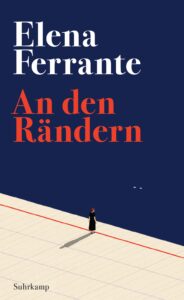 Daran dachte ich nicht. Ich fand mich wenig später aus ganz anderen Gründen in einer Buchhandlung wieder und ließ das Sortiment im gewohnten Zwielicht der Intentionalität an mir vorbeifliegen. Plötzlich spannte sich der Bogen doch. Ich hatte ja ein Thema, und die Buchhandlung hatte ein Buch. Es war Elena Ferrantes einzigartige Essaysammlung „An den Rändern“ (Suhrkamp). Auf ihrem erstaunlichen Coverbild ist eine kleine, offenbar weibliche Rückenfigur abgebildet, die an der roten Randmarkierung eines grobkarierten Blattes steht und in die jenseitige Dunkelheit starrt, ihr gegenüber bloß zwei weiße Punkte. Augen, vermutlich. Ich griff zu.
Dieses Papier ist das Feld, auf dem die sprachliche Schaffenskraft eines Menschen spielt. Die Finsternis dahinter ist, was nicht aus dem eigenen Text kommt, sondern von außen. Das Objekt zum Subjekt, oder, wenn man so will: die schmerzliche „Gegeninstanz“ namens Realität. Sie tut nicht nur weh, weil wir an ihr im doppelten Sinn Anstoß nehmen, sondern auch, weil wir uns als Wissenschaftlerinnen und Wissenschaftler mit unserer Sprache an ihr den Kopf einrennen können und müssen. Beides gehört in der Form zusammen und ermöglicht erst den „Sprung“ vom privaten Gedanken auf das öffentliche Blatt: „Schreiben ist also ein Käfig, und wir betreten ihn sofort, mit unserer ersten Zeile“ – verbunden mit der Erkenntnis, „dass jede Form ein Käfig ist, nicht sehr stabil und doch notwendig, wenn man danach streben will, zu schreiben, wie noch niemand vorher geschrieben hat“ (Hervorhebung VL).
++++++++++Anzeige++++++++++++ Die Universität Kassel, Fachgebiet Öffentliches Recht, IT-Recht und Umweltrecht (Prof. Dr. Gerrit Hornung), sucht zum 1.10.2026:
Wissenschaftliche:r Mitarbeiter:in (m/w/d), EG 13 TV-H, befristet (für 3 Jahre), 75% (Aufstockung auf bis zu 100% möglich)
zur Bearbeitung eines DFG-Projekts zu Rechtsfragen von Desinformation auf Online-Plattformen
Bewerbungsfrist: 11.08.2026; weitere Informationen im Ausschreibungstext.
++++++++++++++++++++++++++++
Es ist diese Widerstrebigkeit, die schon viele Namen kannte, mit der sich eine Textwissenschaft zunächst einmal abzufinden hat. Es muss gelesen und verarbeitet werden, sehr viel gelesen, sehr viel verarbeitet und eigentlich noch mehr vergessen werden, damit kein „geistreicher Dilettantismus“, der „hastig ein, zwei Texte zu plündern pflegt“ (Maria Corti), aalglatte oder notdürftig verleimte Texte fabriziert. Das ist einerseits sicher mühsam, andererseits widerspricht es den Imperativen eines Wissenschaftssystems, das die vitafüllende Produktion gefälliger, modischer, schematischer, ja: undialektischer Diskursspielereien belohnt, die sich weder an vorhandenen Formen noch an vorrangigen Objekten die Zähne ausbeißen, die überhaupt an gar nichts mehr scheitern – und erst dadurch etwas zu sagen hätten.
Die „KI“ betreibt diesen „geistreichen Dilettantismus“. Sie weiß nichts von den Anstößen und Widerständen eines „da draußen“, weil sie nicht selbst, als (leibhaftiges) Subjekt, im „da draußen“ ist. Sie ist Text. Es sind nicht die Grenzen „ihrer“ Sprache die Grenzen „ihrer“ Welt, die anders doch noch überstiegen werden könnten; das Sprachmodell hat keine Welt, die sich von ihrer mathematisierten Fragmentierungslinguistik unterscheidet. Es ist gefangen in absoluter Identität mit sich selbst – gefangen darum aber präzise nicht so, dass die sprachliche Form zu einem „Käfig“ werden könnte und also auch nicht so, dass es im Sinne Ferrantes zu bemerken in der Lage wäre, „dass kein einziges Wort wirklich unser Besitz ist.“ Unsere Worte sind der „KI“ nichts Fremdes, sie „existiert“ vielmehr erst im Vollzug ihrer schamlosen Aneignung. Nach dem roten Strich auf dem Blatt kommt für sie nichts als noch mehr Blatt.
Auch für mein Editorial gilt dagegen jenes „uralte Prinzip“, dass kein menschlicher Text ohne Prätext auskommt. Unzähliges ließe sich von anderswo und aus Ferrantes Vorträgen, gehalten knapp vor der „KI“-Epoche, ziehen. An dieser Stelle soll ein Plädoyer für die Praxis des Schreibens genügen. Es muss nämlich geschrieben werden, auch wenn der Frust über die klaustrophobische Defizienz von Mittel, Zweck und Mensch dessen Alltag beherrschen mag. Nur in einer Schreibpraxis, die von ihren Mängeln weiß und trotzdem mitten in sie hineingeht, kann ich und können wir, „während wir ackern und schwitzen, auch noch einen anderen möglichen Weg entdecken“.
Das ist die uns ganz eigene Tragik der schreibenden Kreativität, und zugleich Quell des „Vollgefühls“ der Leidenschaft, „einmal und vielleicht nie wieder“ etwas zu Papier zu bringen, das aus dem Käfig des vorgefundenen Schreibens, so notwendig er ist, für einen Moment auszubrechen vermag; vielleicht für fünfzig, vielleicht für fünf Seiten, vielleicht aber auch nur für einen Absatz. Dem Menschen, und nur ihm, kann keine Wissenschaft etwas wert sein, die er nicht mit dieser Leidenschaft tun kann.
++++++++++Anzeige++++++++++++

Eurojusitalia Call for Papers
Eurojusitalia invites early-career scholars to submit papers for its latest call, focusing on the national follow-up to rulings by the Court of Justice of the European Union and the General Court. This initiative examines the critical phase after a judgment, where EU law is implemented and its real-world impact is tested within domestic legal systems. Interested researchers must submit an abstract by September 30, 2026, for this study on European legal integration.
You can find the Call for Papers here.
++++++++++++++++++++++++++++
Der Künstler Vega hat getan, was uns oft nicht gegeben ist. Er konnte sich zurückziehen für ein Jahr, als von „da draußen“ keine Widerstände oder Anstöße sich einstellten. Wir hingegen müssen schreiben, wollen wir obenauf oder zumindest mit dabeibleiben. Dass die „KI“ mancherorts so erschütternd wirkt, hängt nur folgerichtig mit dem „stahlharten Gehäuse“ einer Wissenschaftsorganisation zusammen, der die abschnurrende Textgeneration und ihre Erfolgsmetriken lange vor den großen Sprachmodellen zur Norm geworden sind. Auch in diesem Käfig können individuelle Freiräume geschaffen werden; sie als gleich unserer sprachlichen Verfasstheit vorgegeben zu betrachten, hieße jedoch, das Soziale für ein Existential zu nehmen. Von Tragik darf hier daher keine Rede sein: Wissenschaftliche Kreativität gibt es nur in Verhältnissen zu ihren eigenen Bedingungen.
Editor’s Pick
von MAXIM BÖNNEMANN
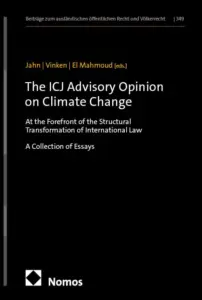
Copyright: Nomos Verlag
Vor Kurzem ist unser neues Law and Climate Spotlight online gegangen. Auch anderswo spielen Forschende mit neuen und offenen Formaten im internationalen Klimaschutzrecht. Ich lese zurzeit die Beiträge dieses Buchs, das aus dem fabelhaften und hervorragend kuratierten Blogsymposium des Völkerrechtsblogs zur Climate Advisory Opinion des Internationalen Gerichtshofs hervorgegangen ist. Vom Spannungsverhältnis zwischen Souveränität und Gemeinschaftsinteressen über das Wechselspiel von öffentlicher und privater Macht bis hin zur Rolle von epistemischen Ungewissheiten und postkolonialen Asymmetrien stellt das Buch das Gutachten des IGH in den größeren Kontext einer strukturellen Transformation internationaler Ordnung. In wenigen Tagen wird das Klima-Gutachten des IGH ein Jahr alt. Wer verstehen will, warum es bereits in dieser kurzen Zeit zahlreiche Facetten nationaler wie internationaler Klimapolitik geprägt hat, kommt an diesem Buch nicht vorbei.
*
Die Woche auf dem Verfassungsblog
zusammengefasst von EVA MARIA BREDLER
Wir Wissenschaftler:innen und Schreiberlinge träumen davon, ein Jahr verschwinden zu können, because we only write when it hurts (Venga, oben). Politiker:innen scheinen stattdessen mit allen Mitteln der Kunst (und des Rechts) gegen ihr Verschwinden anzukämpfen (because they only rule when it hurts?):
So kündigte Marine Le Pen ihre Kandidatur an, wenige Stunden nachdem ein Gericht ihre strafrechtliche Verurteilung bestätigt hatte. GIOVANNI CAPOCCIA (EN) zeigt, warum Le Pen eine der ältesten Demokratien Europas auf Konfrontationskurs zwischen Wahlpolitik und richterlicher Autorität geführt hat. Letzte Woche analysierte CHARLOTTE SCHMITT-LEONARDY das Urteil als kurzes „Lupfen“ von Justitias Augenbinde – der Text ist jetzt auch auf Englisch verfügbar.
Ums Lupfen der Augenbinde wurde auch das Europäische Parlament gebeten: Die Europäische Staatsanwaltschaft beantragte, die Immunität zweier Abgeordneter aufzuheben, doch das Parlament lehnte ab. NIKLAS SIMON (DE) erklärt, warum das Verhältnis zwischen den beiden Institutionen zunehmend zur Zerreißprobe wird.
Mutiger zeigte sich das Europäische Parlament dagegen bei zweifelhaften Parteien: Am 7. Juli 2026 stimmte es mit breiter Mehrheit für die Überprüfung, ob die Europe of Sovereign Nations Party aus dem Register der europäischen politischen Parteien zu streichen ist. Ausgelöst hatte die Entscheidung die Authority for European Political Parties and European Political Foundations – eine unabhängige Instanz, für die es im deutschen Parteiverbotsverfahren kein Pendant gibt. EVA ISABELL MARTIN (DE) findet, das deutsche Parteiverbotsverfahren könnte von einem ergänzenden Triggermechanismus nach europäischem Vorbild profitieren. LEONARD HOFFMANN (DE) analysiert die Behörde dahinter: eine Agentur, die nicht in das übliche Schema passt und in der Verwaltung und Politik verschwimmen.
Bekanntlich verschwimmen auch Recht und Politik in der EU regelmäßig. Am 29. Juni 2026 veröffentlichte Charlie Weimers, Berichterstatter des Verfassungsausschusses im Europäischen Parlament, einen Entwurfsbericht zum Zusammenspiel zwischen EuGH und nationalen Gerichten – und kritisiert deren fein austariertes Verhältnis. ALBERTO ALEMANNO (EN) fasst die Vorschläge zusammen und verteidigt das aktuelle Modell, während er die Verantwortung des Gerichtshofs anerkennt.
Währenddessen hat die Europäische Kommission Metas Verantwortung anerkannt: Wegen des „suchterzeugenden Designs“ von Instagram und Facebook stellte sie vorläufig Verstöße gegen den Digital Services Act fest. Angesichts der wackeligen Rechtsgrundlage liest JULIAN MORGAN (EN) die Entscheidung vor allem mit Blick auf ihre strategischen und symbolischen Dimensionen.
Bekanntlich kann KI verzerrte Ergebnisse produzieren – auch, weil sie mit nicht repräsentativen Daten trainiert wird. Aber lassen sich diese Verzerrungen durch mehr Daten beheben? Am Beispiel von Menschen mit Behinderungen erklärt PHILIPPA DUELL-PIENING (EN), warum der Ruf nach repräsentativen Daten Menschenrechtsrisiken birgt – insbesondere für die Autonomie.
Der indische Supreme Court hat sich in Prajwala mit Autonomie auf sehr viel greifbarere Weise befasst. Er entschied, dass Opfer von Menschenhandel zur sexuellen Ausbeutung ein Recht auf Rehabilitierung haben. PRANAV MITTAL (EN) sieht darin eine verpasste Chance, die Rechte von Sexarbeiter:innen zu schützen, und argumentiert, dass das Konzept decisional autonomy die Lücke schließen kann.
Eine der größten Bedrohungen unserer Autonomie ist die Klimakrise. Deshalb widmen wir dem Thema jetzt eine eigene Spotlight-Sektion. Sein jüngstes Gesicht war Europas Juni-Hitzewelle, die Tausenden das Leben kostete. Grundrechtsbasierte Klimaklagen zur Anpassung fallen in Europa jedoch bis heute durch ihre Abwesenheit auf. PARUL KUMAR und CHRIS HILSON (EN) erklären, warum das so ist – und wie sich das ändern sollte.
++++++++++Anzeige++++++++++++
International climate law has never mattered more. That’s why Verfassungsblog has built a growing body of work on climate law and governance, cited widely within and beyond academia. Our new Law and Climate Spotlight brings this work together in one place.
If you value independent, rigorous commentary on climate law and governance, please consider supporting us.
++++++++++++++++++++++++++++
Australien ist ein Land, das für die Folgen des Klimawandels besonders anfällig ist. Zugleich ist es einer der weltweit größten Exporteure fossiler Brennstoffe, Kohle und Gas. Dieser Widerspruch prägt die australische Klimapolitik und steht im Zentrum einer neuen Beschwerde vor dem UN-Menschenrechtsausschuss, dem sogenannten „Hard Truths“-Verfahren. JACQUELINE PEEL (EN) erläutert die Beschwerde und skizziert mögliche Verfahrensausgänge.
Volkswagen musste sich in Brasilien seinen eigenen hard truths stellen: 50 Jahre nach der Versklavung von Arbeiter:innen im Amazonasgebiet wurde VW erneut verurteilt – ein Jahr, nachdem der Konzern zu einer Rekordsumme von 32 Millionen Dollar immateriellem Schadenersatz verurteilt worden war. SAULO DE MATOS und HEITOR GUIMARÃES (EN) erklären die Unterschiede zwischen den Urteilen und warum die Entscheidungen von 2026 eine neue Ära des corporate reckoning einleiten könnten.
In Ungarn bahnt sich ein constitutional reckoning an: Am Montag beschloss das ungarische Parlament eine Verfassungsänderung, die den Staatspräsidenten faktisch aus dem Amt entfernt. NÓRA CHRONOWSKI (EN) ordnet die außerordentliche Maßnahme ein – und erklärt, warum sie sie für gerechtfertigt hält.
Während Ungarn einen folgenreichen Machtwechsel erlebt, haben schottische Wähler:innen die Scottish National Party zum fünften Mal in Folge an die Macht gewählt. CATRIONA MULLAY (EN) zeigt: Im scheinbaren Stillstand passiert mehr, als auf den ersten Blick zu sehen ist.
Etwas Stillstand wünscht sich dagegen manch einer in Deutschland: Im September wird in Sachsen-Anhalt, Mecklenburg-Vorpommern und Berlin gewählt. Die Regierungsbildung dürfte kompliziert werden, und die Länder regeln diese ganz unterschiedlich: starre Frist hier, Flexibilität dort. LORENZ MÜLLER, SVEN T. SIEFKEN und PHILIPP CARTIER (DE) zeigen: Schneller ist nicht unbedingt besser.
Angesichts aktueller Umfragewerte könnten bald nicht nur Sachsen-Anhalt und Mecklenburg-Vorpommern verfassungsfeindliche Minister:innen haben, sondern auch die nächste Bundesregierung. Einen Verteidigungsminister aus den Reihen der AfD, zum Beispiel. Welche Handlungsmöglichkeiten aber haben Soldat:innen, wenn ihr oberster Dienstherr nicht mehr auf dem Boden der freiheitlich demokratischen Grundordnung steht? Derzeit hätten Soldat:innen keine legale Möglichkeit, deshalb den Dienst zu quittieren. Auch Desertieren bliebe dann strafbar, meint MUSTAFA ENES ÖZCAN (DE) – und fordert eine legale Exit-Option.
Wir ziehen uns auch bald vom Dienst zurück: Nächste Woche erscheint unser letzter Newsletter vor der Sommerpause. Aber ganz zurückziehen werden wir uns natürlich nicht, schon gar nicht für ein Jahr, wie es Rapper Venga herbeisehnt. „Es muss nämlich geschrieben werden“, wie Victor Loxen im Editorial schreibt.
*
Das war’s für diese Woche.
Ihnen alles Gute!
Ihr
Verfassungsblog-Team
Wenn Sie das wöchentliche Editorial als E-Mail zugesandt bekommen wollen, können Sie es hier bestellen.
The post Vorgefundenes Schreiben appeared first on Verfassungsblog.

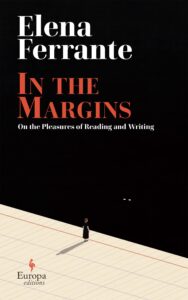 None of this was on my mind. A little later, for entirely different reasons, I found myself in a bookshop, letting the shelves drift past me in the familiar twilight of intentionality. Then, suddenly, the arc closed. I had a topic, and the bookshop had a book. It was Elena Ferrante’s singular essay collection In the Margins (Europa Editions). Its astonishing cover shows a small Rückenfigur, apparently female, standing at the red margin line of a sheet of graph paper and staring into the darkness beyond, faced by nothing but two white dots. Eyes, presumably. I reached for it.